
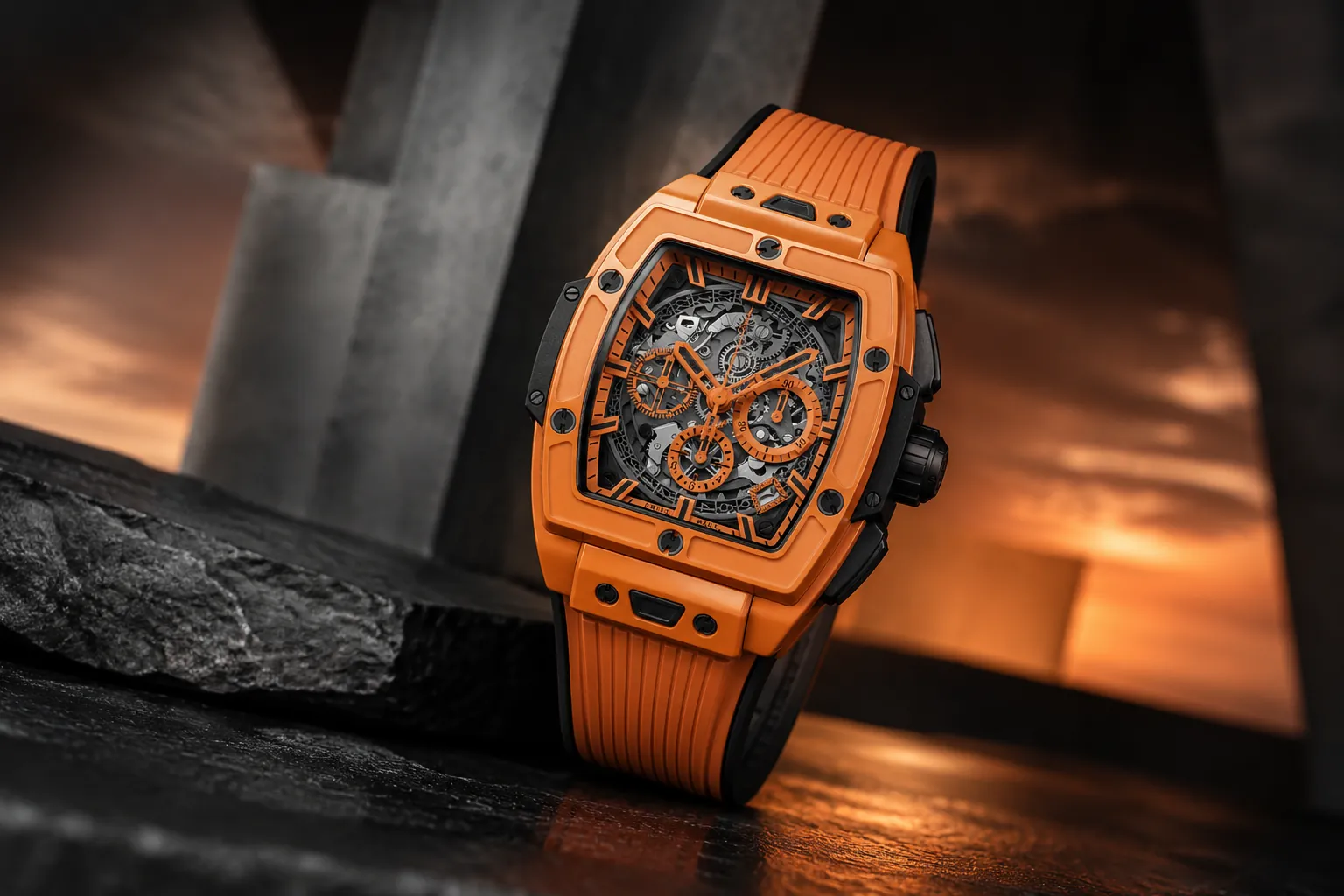
Λίγες μάρκες πολυτελών ρολογιών προκαλούν ισχυρότερες αντιδράσεις από την Hublot.
Αναφέρετε τη Rolex και οι περισσότεροι άνθρωποι κουνάνε το κεφάλι τους με σεβασμό. Αναφέρετε την Patek Philippe και οι συλλέκτες μιλούν για κληρονομιά. Αλλά αναφέρετε την Hublot και η συζήτηση χωρίζεται αμέσως. Ορισμένοι θαυμάζουν την τολμηρή προσέγγιση της μάρκας στην σύγχρονη πολυτέλεια, ενώ άλλοι την απορρίπτουν προτού καν δοκιμάσουν ένα ρολόι.
Αυτή η αντίδραση είναι ασυνήθιστη στη βιομηχανία ρολογιών.
Αλλά ίσως αυτό ακριβώς είναι που κάνει την Hublot διαφορετική.
Η Hublot Ποτέ Δεν Προσπάθησε Να Ενταχθεί Στην Παραδοσιακή Κουλτούρα Ρολογιών
Ένας από τους μεγαλύτερους λόγους που η Hublot δέχεται κριτική είναι επειδή πολλοί συλλέκτες την κρίνουν με κανόνες που η μάρκα ποτέ δεν ενδιαφέρθηκε να ακολουθήσει.
Η παραδοσιακή ελβετική ωρολογοποιία βασίζεται στην αυτοσυγκράτηση. Μικρότερα μεγέθη περιπτώσεων, συντηρητικοί καντράν, vintage ιστορία και διακριτική κομψότητα έχουν καθορίσει τα πολυτελή ρολόγια εδώ και δεκαετίες. Οι περισσότερες κληρονομικές μάρκες εξακολουθούν να βασίζονται σε μεγάλο βαθμό σε σχέδια εμπνευσμένα από το παρελθόν.
Η Hublot πήρε την αντίθετη κατεύθυνση.
Αντί να κοιτάξει προς τα πίσω, η μάρκα επικεντρώθηκε στον σύγχρονο σχεδιασμό, στα πειραματικά υλικά και σε μια επιθετική οπτική ταυτότητα. Μεγάλες περιπτώσεις, εκτεθειμένες βίδες, σκελετωτά καντράν, ανθρακονήματα, ζαφείρι, κεραμικά και τολμηροί συνδυασμοί χρωμάτων έγιναν μέρος του DNA της.
Το αποτέλεσμα ήταν μια μάρκα ρολογιών που ένιωθε πιο συνδεδεμένη με τη σύγχρονη κουλτούρα παρά με την παραδοσιακή ωρολογία.
Και για ορισμένους συλλέκτες, αυτό ήταν δύσκολο να γίνει αποδεκτό.
Η Μάρκα Που Κατάλαβε Την Σύγχρονη Προσοχή
Η πολυτέλεια έχει αλλάξει.
Η σημερινή αγορά πολυτελείας δεν κυριαρχείται πλέον μόνο από την ήσυχη κομψότητα. Οι σύγχρονοι αγοραστές έλκονται από την ατομικότητα, την ορατότητα και τον σχεδιασμό που ξεχωρίζει αμέσως. Η μόδα, τα σούπερ αυτοκίνητα, η τεχνολογία και τα κοινωνικά μέσα επηρεάζουν πλέον τον τρόπο που οι άνθρωποι βιώνουν την πολυτέλεια.
Η Hublot κατάλαβε αυτή την αλλαγή νωρίτερα από τις περισσότερες ελβετικές μάρκες.
Τα ρολόγια της είναι σχεδιασμένα για να κάνουν εντύπωση. Ένα Hublot Big Bang δεν προσπαθεί να εξαφανιστεί κάτω από τον μανίκι ενός πουκαμίσου. Είναι φτιαγμένο για να αισθάνεται τολμηρό στον καρπό, σχεδόν αρχιτεκτονικό στον τρόπο που πιάνει το φως και την προσοχή.
Αυτός είναι ένας από τους λόγους που οι αθλητές, οι μουσικοί, οι επιχειρηματίες και οι διάσημοι φυσικά προσανατολίστηκαν προς τη μάρκα. Η Hublot μιλά τη οπτική γλώσσα της σύγχρονης επιτυχίας — σίγουρη, εκφραστική και αδύνατο να αγνοηθεί.
Είτε οι άνθρωποι αγαπούν αυτή την προσέγγιση είτε τη μισούν, η μάρκα γνωρίζει ακριβώς ποια είναι.
Περισσότερο Από Ένα “Ρολόι Μόδας”
Οι κριτικοί συχνά περιορίζουν την Hublot μόνο στην εικόνα, αλλά αυτό παραβλέπει πόση καινοτομία έχει φέρει η μάρκα στη σύγχρονη ωρολογοποιία.
Η Hublot επένδυσε σημαντικά σε προηγμένα υλικά πολύ πριν γίνουν κοινά στη βιομηχανία. Κεραμικά, ζαφείρι περιπτώσεις, ανθρακονήματα και ιδιόκτητα κράματα έγιναν βασικά μέρη της ταυτότητας της μάρκας. Η εταιρεία επίσης επένδυσε σοβαρά στην ανάπτυξη μηχανισμών με την πλατφόρμα Unico χρονογράφου, δίνοντας στην Hublot ισχυρότερη τεχνική αξιοπιστία από ό,τι πολλοί περίμεναν.
Αλλά ίσως η μεγαλύτερη συμβολή της Hublot δεν ήταν μηχανική.
Ήταν πολιτιστική.
Η μάρκα βοήθησε να επαναστατήσει τι μπορεί να είναι ένα πολυτελές αθλητικό ρολόι στον 21ο αιώνα. Απόδειξε ότι τα ελβετικά ρολόγια δεν χρειάζεται να παραμένουν παγιδευμένα μέσα σε παραδόσεις εμπνευσμένες από το παρελθόν για να πετύχουν.
Σήμερα, πολλές μάρκες πειραματίζονται με τολμηρά υλικά και επιθετικά αθλητικά σχέδια. Η Hublot το έκανε ήδη χρόνια νωρίτερα.
Γιατί Η Μάρκα Ακόμα Νιώθει Αμφιλεγόμενη
Η γλώσσα σχεδίασης της Hublot είναι αδιάφορα σύγχρονη, και αυτό δημιουργεί ένταση μέσα στις παραδοσιακές κοινότητες ρολογιών.
Για ορισμένους συλλέκτες, η πολυτέλεια θα πρέπει να είναι διακριτική και διαχρονική. Η Hublot αντιπροσωπεύει κάτι εντελώς διαφορετικό — ορατότητα, αυτοπεποίθηση και σύγχρονο στυλ. Τα ρολόγια είναι σκόπιμα θορυβώδη, και αυτό τα καθιστά εύκολους στόχους για κριτική.
Αλλά τα ίδια χαρακτηριστικά που προσελκύουν κριτική είναι επίσης αυτά που προσελκύουν αγοραστές.
Σε μια αγορά γεμάτη από ρολόγια που μοιάζουν παρόμοια, η Hublot παραμένει άμεσα αναγνωρίσιμη από την άλλη πλευρά ενός δωματίου. Πολύ λίγες μάρκες έχουν χτίσει μια τόσο ισχυρή οπτική ταυτότητα.
Και αυτή η ταυτότητα φαίνεται ολοένα και πιο σχετική στον σημερινό κόσμο.
Η σύγχρονη πολυτέλεια δεν αφορά πλέον μόνο την παράδοση. Αφορά επίσης την προσωπικότητα.
Βλέποντας Την Hublot Διαφορετικά
Ίσως η Hublot δεν προοριζόταν ποτέ να κατανοηθεί μέσα από τον φακό της παλιάς σχολής συλλογής ρολογιών.
Η μάρκα δεν μιλά για νοσταλγία με τον ίδιο τρόπο όπως οι παραδοσιακοί ελβετικοί κατασκευαστές. Αντίθετα, αντικατοπτρίζει μια διαφορετική οπτική της πολυτέλειας — μία που διαμορφώνεται από την τεχνολογία, τη μόδα, τον αθλητισμό και τον σύγχρονο σχεδιασμό.
Γι' αυτό η μάρκα φαίνεται πιο φυσική δίπλα σε μια Lamborghini παρά μέσα σε ένα κουτί vintage ρολογιών.
Και ίσως αυτό είναι το νόημα.
Η Hublot δεν δημιουργήθηκε για να διατηρήσει το παρελθόν. Δημιουργήθηκε για να εκπροσωπήσει ένα διαφορετικό μέλλον για τα πολυτελή ρολόγια — ένα που φαίνεται πιο τολμηρό, πιο πειραματικό και πιο συνδεδεμένο με την κουλτούρα του σήμερα.
